Can I take Ice Bath??
Ice baths are no longer reserved only for elite athletes; they are becoming a widely accessible tool for recovery, relaxation, and mental reset. Anyone searching for cold plunge recovery, ice bath benefits, or cold therapy for relaxation will find that the practice can support both body and mind when approached safely and mindfully.
Who can benefit from ice baths...
Ice baths can support a broad range of people who place physical or mental demands on their bodies, not just professional sportspersons. Individuals engaged in regular gym workouts, running, cycling, combat sports, or high-intensity training may use cold immersion to feel fresher between sessions and reduce post-exercise discomfort. People with active jobs, such as first responders, hospitality staff, or manual workers, may also find that strategic cold exposure helps them unwind after long, draining days.
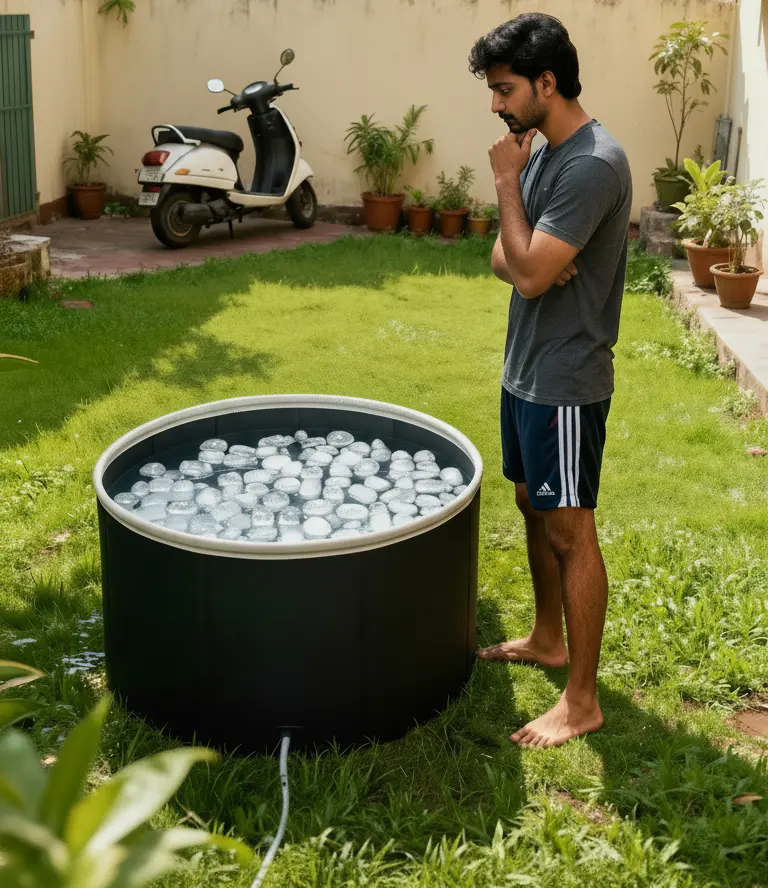
For wellness-focused users, ice baths are increasingly used alongside practices like yoga, breathwork, and mindfulness. Many adults who feel mentally overloaded from work, screens, and city life turn to cold immersion as a way to “switch off” and reconnect with their bodies. When integrated into a balanced lifestyle that includes sleep, hydration, and nutrition, this practice becomes a recovery ritual rather than a one-time shock to the system.
Ice baths for everyone: Relaxation and Meditative state
Beyond performance and muscle recovery, an important role of ice baths is simple relaxation. The moment the body enters cold water, the mind is forced into the present; attention shifts to breathing, sensations, and staying calm. By focusing on slow, controlled inhales and exhales, many people experience a meditative, almost trance-like state during and especially after the plunge, with a sense of mental clarity and emotional lightness.
Because this state is driven by nervous system regulation rather than athletic status, it is not limited to any particular group. Office workers, students, parents, entrepreneurs, and creators can all use gentle, well-planned cold immersion as a tool to decompress, similar to how others might choose a walk, a sauna, or a quiet meditation session. The key is to treat the ice bath as a guided practice: start with safe temperatures, short durations, and deliberate breathing so the body can shift from initial stress to deep calm.
Ideal candidates for regular ice baths
Certain profiles tend to benefit particularly from making ice baths a regular part of their routine. Physically, those who train multiple times per week or participate in tournaments, marathons, or intense group fitness classes may appreciate faster perceived recovery between demanding days. People who experience heavy legs, soreness, or lingering fatigue after workouts often report feeling lighter and more ready to move after consistent cold exposure.
There is also a growing group of users who come to ice baths primarily for mental resilience. Individuals working in high-pressure roles, running businesses, or managing complex responsibilities use the controlled discomfort of cold water as training for staying composed under stress. By practicing calm breathing while the body is uncomfortable, they build a useful mental pattern that can be carried into meetings, presentations, or personal challenges. This mind–body crossover is a major reason cold plunges are becoming part of modern wellness routines.
After diving into the information above, you might be feeling excited to plunge in! But hold on just a moment—if this is your first time, it's wise to take a step back and be a bit cautious. Remember, you're not Steve Rogers who can just freeze and come back as Captain America! Here are some friendly tips to help beginners like you get started on the right foot.
Safe practice guidelines for beginners
For adults who are new to ice baths, a gradual and informed approach is essential. The water does not need to be extremely cold to be effective; many people start with cool or moderately cold water and progress slowly, paying close attention to how their body responds. Short sessions of a few minutes with relaxed, nasal breathing can be more beneficial than pushing too hard and leaving the body overly stressed or exhausted.
It is important never to enter an ice bath alone if there is any concern about health history or tolerance. Having someone nearby, staying sober, and avoiding long exposure are basic safety principles that reduce risk. Individuals should exit the water immediately if they feel chest pain, dizziness, trouble breathing, or any unusual symptoms, and seek medical care if necessary. Listening to the body, rather than chasing internet challenges, keeps the practice aligned with recovery and well-being.